
How Cloud-Based Drafting Is Reshaping Remote Design Workflows in 2026
- 3 min read
- December 18, 2025
In the past decade, Building Information Modeling (BIM) has evolved from an advanced design tool into the core engine powering multidisciplinary collaboration across the AEC industry. But post-2025, the role of BIM is shifting again, this time, accelerated by global adoption of remote and hybrid work models, rapidly improving cloud infrastructure, and the need for design teams to operate with greater speed, accuracy, and transparency. In this blog, we’ll explore how cloud BIM is evolving post-2025, what it means for design teams, and why remote drafting is emerging as one of the most impactful operational shifts in the AEC sector.
Why Cloud-Based BIM is the New Normal
The adoption of cloud-based BIM platforms allows real-time collaboration on project models, making it possible for distributed teams, architects, engineers, contractors, and clients — to view, edit, and comment on live project data from anywhere. What does this look like in practice? Imagine architects in New York tweaking facades while engineers in London run structural simulations, all on the same live model without a single email chain.
According to industry forecasts, by 2026, over 70% of AEC firms will rely on cloud BIM platforms for core operations, up from 45% in 2024. Below, we explore how cloud BIM is reshaping design processes today and where the future is headed.
1. Real-Time Co-Editing and Clash Detection
Gone are the days of sequential reviews. Graphisoft Archicad’s Teamwork feature allows multiple team members to work on the same model simultaneously, with real-time updates synced through the cloud. Large BIM models can be accessed and edited without file duplication, ensuring everyone works on the latest version at all times. Integrated clash detection identifies conflicts, such as ductwork intersecting structural elements, early in the modeling process, preventing downstream coordination issues.
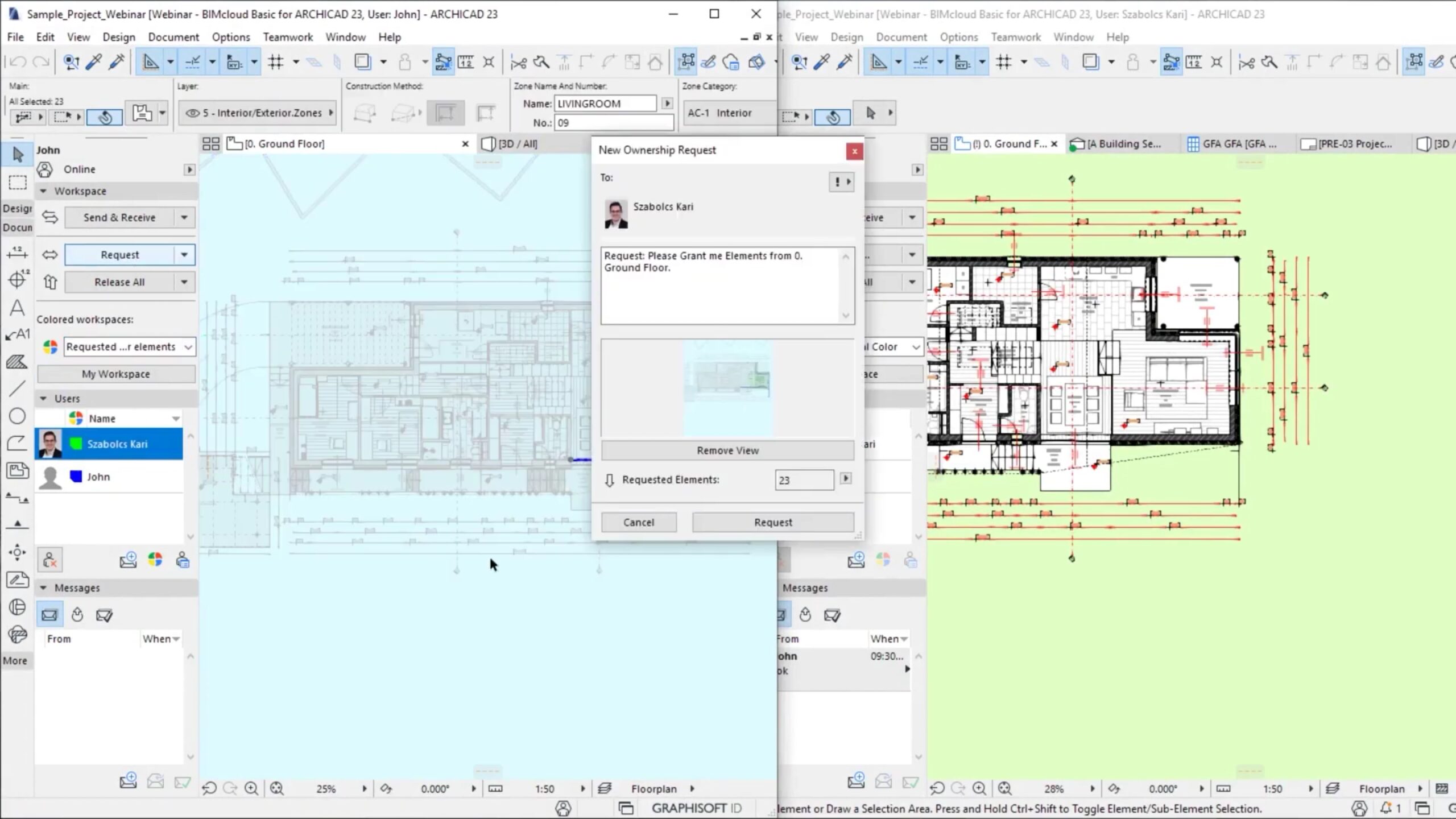
For remote teams, this enables continuous progress across locations. Design updates, issue resolutions, and coordination fixes can be completed without waiting for handovers or file exchanges, keeping the project moving efficiently and significantly reducing coordination delays and RFIs.
2. Secure Data Sharing and Mobility
Security is paramount in AEC, where IP theft or data breaches can derail multimillion-dollar projects. Cloud platforms employ end-to-end encryption, role-based access (e.g., view-only for clients), and blockchain-like ledgers for immutability. Mobility shines here: Field teams access models via tablets on-site, overlaying as-builts against designs for instant markups.
Post-2025, expect edge computing to enhance this, processing data closer to users for sub-second latency, even in low-bandwidth regions.
3. Project Managers Gain More Visibility and Control Through the Cloud
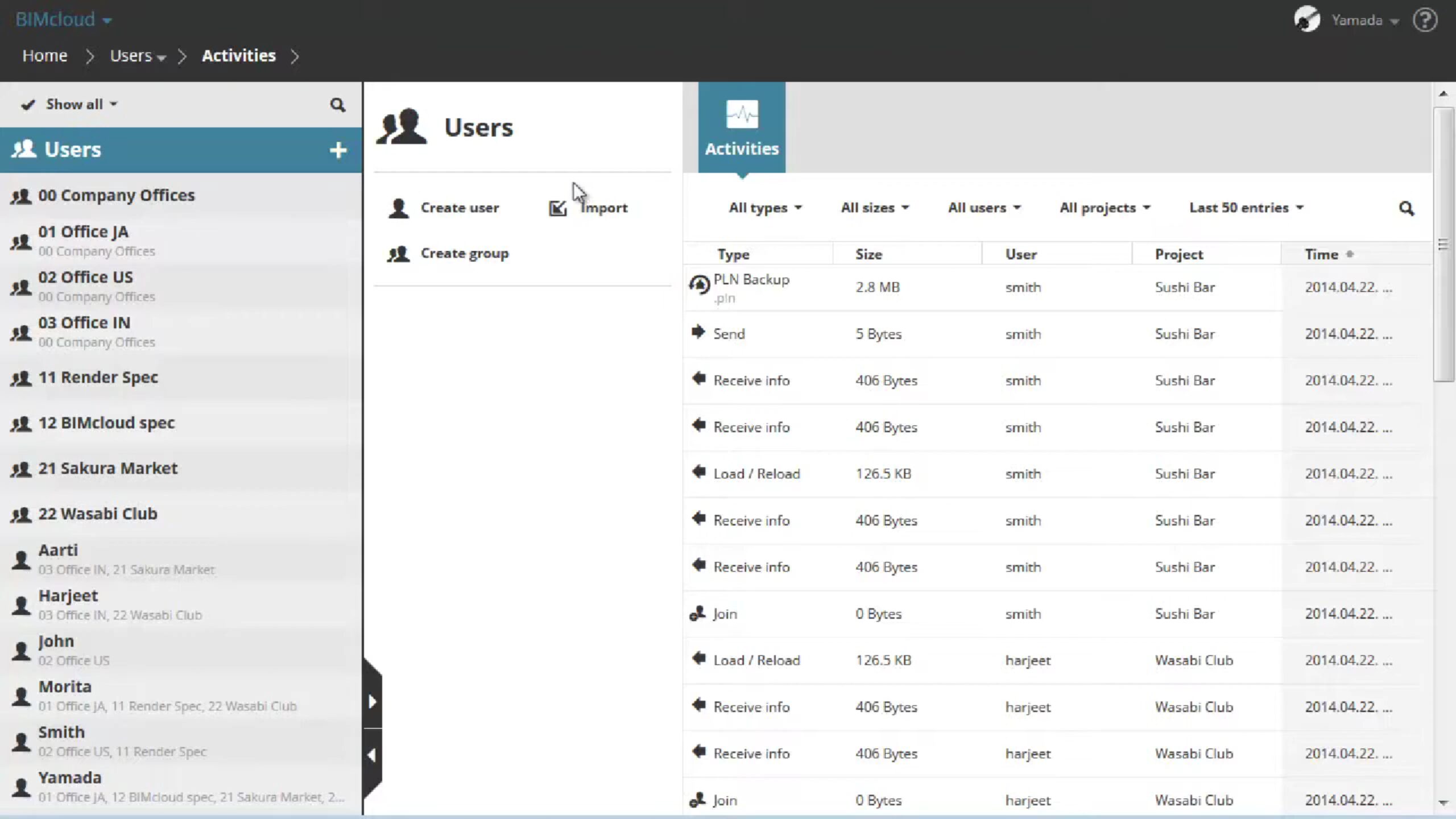
Cloud BIM has given project managers unprecedented clarity over remote collaboration. They can now track live model activity, see who made which changes, and monitor progress without waiting for milestone uploads. Permission controls help maintain discipline ownership and prevent accidental edits. Issue management is centralized within the platform, keeping feedback organized and easy to follow. And with real-time QA/QC reviews, managers can catch inconsistencies early, reducing rework and improving documentation quality. Ultimately, cloud BIM makes remote teams more accountable, predictable, and easier to manage.
4. AI Is Enhancing, Not Replacing, Drafting and BIM Workflows
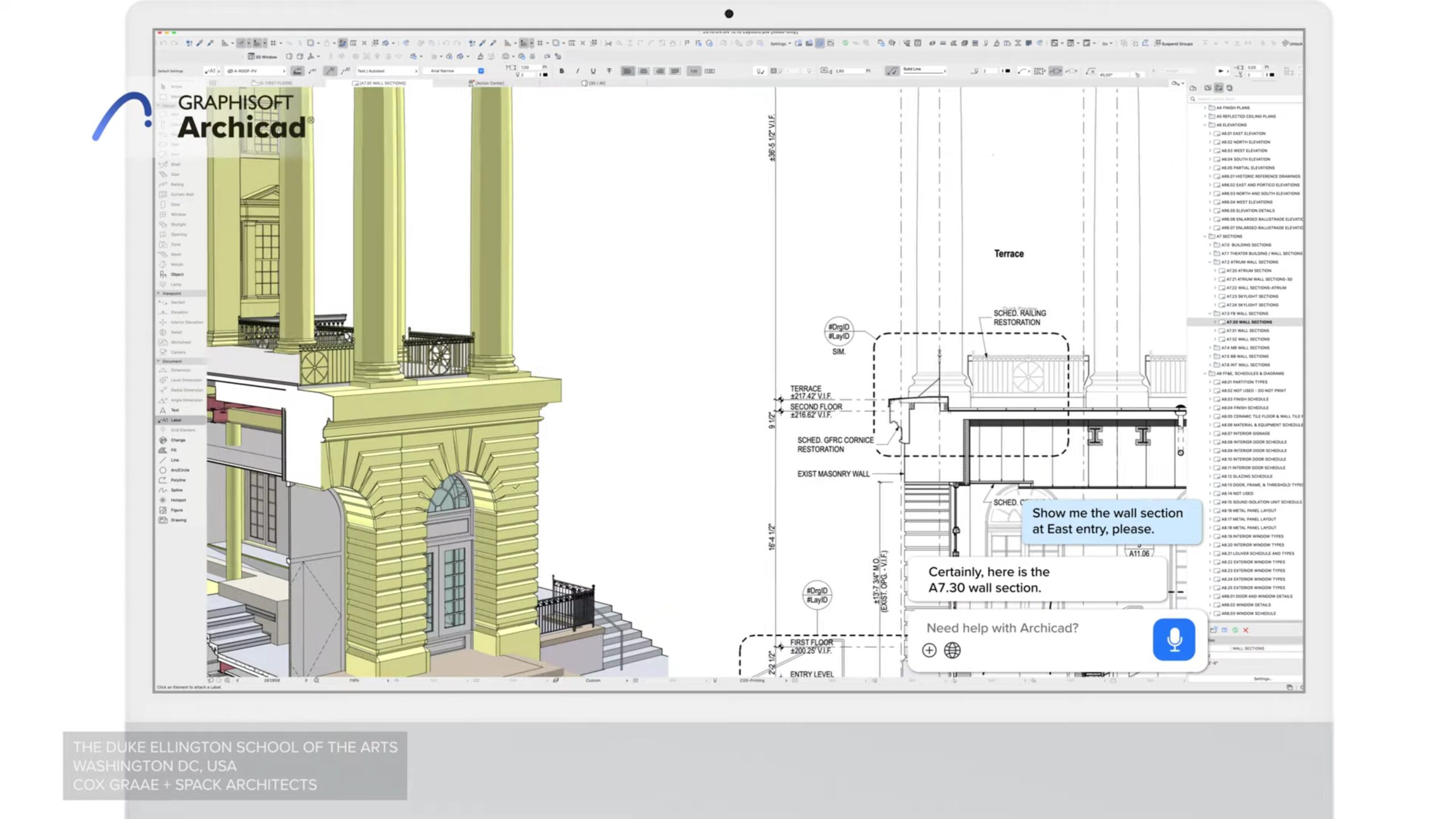
AI is becoming an integral part of cloud BIM, streamlining tasks without replacing human expertise. It automates repetitive work like sheet creation, naming conventions, and documentation setup. Predictive tools help identify clashes earlier, improving model accuracy and reducing rework. AI-driven standards enforcement ensures remote teams stay aligned with firm templates and workflows. Model health checks run continuously, flagging warnings and performance issues in real time. With these enhancements, AI boosts efficiency and consistency across distributed drafting teams, allowing them to focus more on coordination and design intent.
The Road Ahead: How BIM and Remote Collaboration Will Evolve Post-2025
As the AEC industry moves deeper into cloud adoption, BIM workflows will continue to evolve in several significant ways:
- More unified cloud ecosystems: Tools for modeling, coordination, documentation, and clash detection will merge into more integrated platforms.
- Digital twins as standard deliverables: Owners will increasingly expect real-time digital twins, not just BIM models, for operations and facility management.
- Immersive collaboration environments: VR/AR-based coordination rooms will allow teams to annotate, review, and troubleshoot designs as if physically present.
- Predictive design workflows: AI will support early-stage evaluations related to cost, performance, energy efficiency, and constructability.
- Seamless multi-firm collaboration: Architects, engineers, consultants, and drafting partners will work inside a unified data environment with secure access layers.
These advancements will continue to push the industry toward fully digital, cloud-first project delivery, making remote collaboration not just viable, but optimal.
Conclusion
The future of BIM in remote collaboration is here, powered by cloud-based drafting that turns geographic divides into collaborative advantages. By enabling real-time synergy, error-proof processes, and tech-forward innovation, it’s not just reshaping team design, it’s redefining AEC’s potential. As 2025 unfolds, the message is clear: Embrace cloud BIM now to thrive tomorrow. At MGS Global Group, we’re at the forefront, helping firms transition with tailored Revit workflows and cloud integrations.
Enjoyed this post?
Explore more resources here or book a quick call to learn how MGS Global Group can support your drafting and construction documentation needs.