
Architecture Has a Burnout Problem. Here's What Firms Can Actually Do About It
- 4 min read
- August 31, 2026

Ask any architect how their week was, and “busy” isn’t really an answer, it’s practically a job description. Long nights before a deadline get treated like a rite of passage. Skipping lunch to finish a set reads as proof of commitment. Somewhere along the way, the profession started treating exhaustion as evidence that you care about the work.
New data from 2026 suggests the price of that culture is higher than most firms want to admit, and that the usual response, telling individual architects to build more resilience, is aimed at the wrong target.
The Problem
The numbers are hard to look past.
According to MyArchitectAI’s 2026 Architecture Burnout Report:
- 73% of architecture professionals have experienced burnout
- A third are currently in it right now
- Half have seriously considered leaving the profession because of it
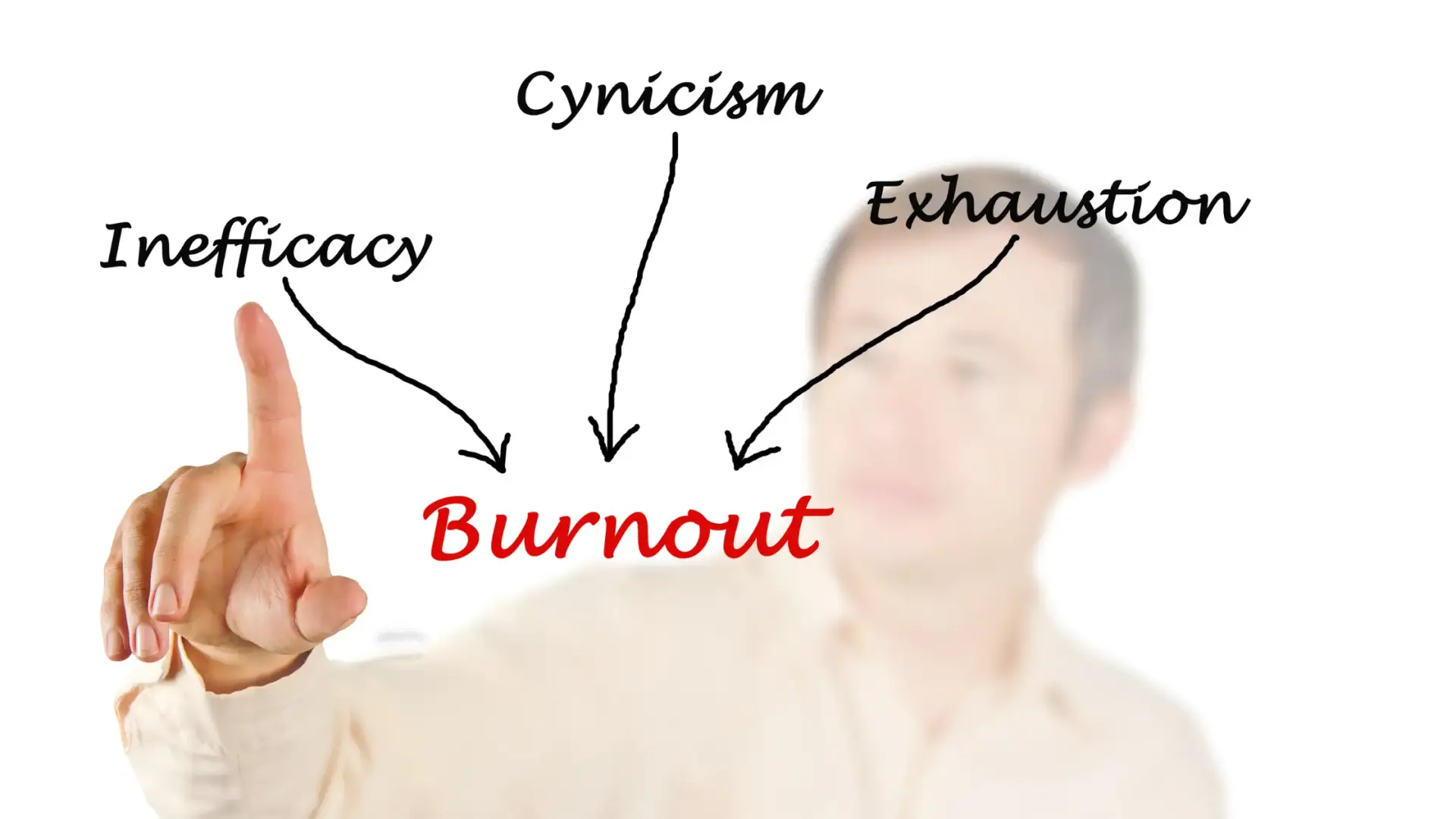
It’s worth pausing on how burnout is actually defined, because the definition itself undercuts the idea that it’s a personal shortcoming. The World Health Organization classifies burnout in the ICD-11 as an occupational phenomenon, not a medical condition and not a character flaw. It’s a syndrome that results from chronic workplace stress that hasn’t been successfully managed. The cause, by the WHO’s own framing, sits with the workplace, not the person experiencing it.
So where is that pressure actually coming from?
In architecture, it tends to trace back to a handful of repeat sources:
- Fee structures that underestimate hours from the start
- Contracts that don’t price in scope creep
- Client expectations for constant availability
- Studio cultures, some inherited straight from architecture school, that quietly reward all nighters as dedication rather than flag them as a planning failure
None of this means individual habits don’t matter. But treating burnout as something each employee should personally manage, through a wellness stipend or an extra floating holiday, misses where the pressure is actually generated. Real, lasting change has to start at the structural level.
Why This Should Worry Leadership Beyond Compassion
There’s also a harder, less sentimental reason for firms to pay attention. Half of the architects who’ve experienced burnout have seriously considered leaving the profession entirely, not just the firm, the entire field. Every experienced architect who walks away takes years of institutional knowledge and client relationships with them, at a time when the industry is already short on mid-career talent to replace them.
By the time someone hands in their notice, the burnout has usually been building for months. A few earlier signals worth watching for:
- A normally engaged team member going quiet in design reviews, no longer offering opinions they used to volunteer freely
- Growing cynicism about projects or clients they used to speak about with real interest
- A noticeable drop in the quality or care of work from someone who’s historically been meticulous
- Increased absenteeism, or the opposite, someone who stops taking any time off at all
- Short, clipped communication that reads more like fatigue than a bad day
None of these are proof on their own. But a pattern across a few of them, especially in someone who used to show none of it, is usually the moment to check in directly rather than wait for it to surface in a performance review.
What Actually Moves the Needle
For firm leadership, the highest impact changes tend to happen upstream, before a project ever reaches a deadline crunch:
- Price projects against realistic hour estimates, with contingency built in, instead of fees that only work if nothing goes wrong.
- Put scope of services and change order terms in every contract, and actually enforce them instead of quietly absorbing extra rounds of revisions to keep a client happy.
- Track utilization at the studio level so overload shows up on a dashboard before it shows up as a resignation letter.
- Build in real slack for deadline spikes. That might mean adjusting internal timelines, or bringing in outside production support to absorb overflow drafting during crunch weeks, instead of asking the same four people to carry every surge.
- Model boundaries from the top. If principals are sending emails at midnight, junior staff will read that as the actual expectation, no matter what the handbook says.
For individual architects, a few habits genuinely help, without shifting the burden of a systemic problem onto one person:
- Flag scope creep in writing, early, rather than quietly absorbing it to avoid an uncomfortable client conversation.
- Protect actual time off. Treat a calendar block for personal time with the same seriousness as a client meeting.
- Talk to someone, a mentor, a therapist, or a colleague who’s been through it. Burnout tends to feel more isolating than it actually is, and most people in this profession have a version of the same story.
Final Thoughts
A wellness webinar isn’t going to fix a workload problem. Burnout in architecture isn’t a symptom of people who lack resilience, it’s a symptom of a system that keeps running without enough slack built into it.
The firms making real progress aren’t the ones stacking perks on top of an unsustainable pace. They’re the ones treating capacity the same way they’d treat a project budget, something to plan for, track, and protect, rather than something to deal with after someone’s already burned out or already handed in their notice. That shift, from managing burnout after it happens to designing it out of the workload in the first place, is what actually separates a firm that talks about culture from one that has it.
Enjoyed this post? Give a thumbs up or leave a comment!
Explore more resources here or book a quick strategy call to learn how MGS Global Group can support your drafting needs.